

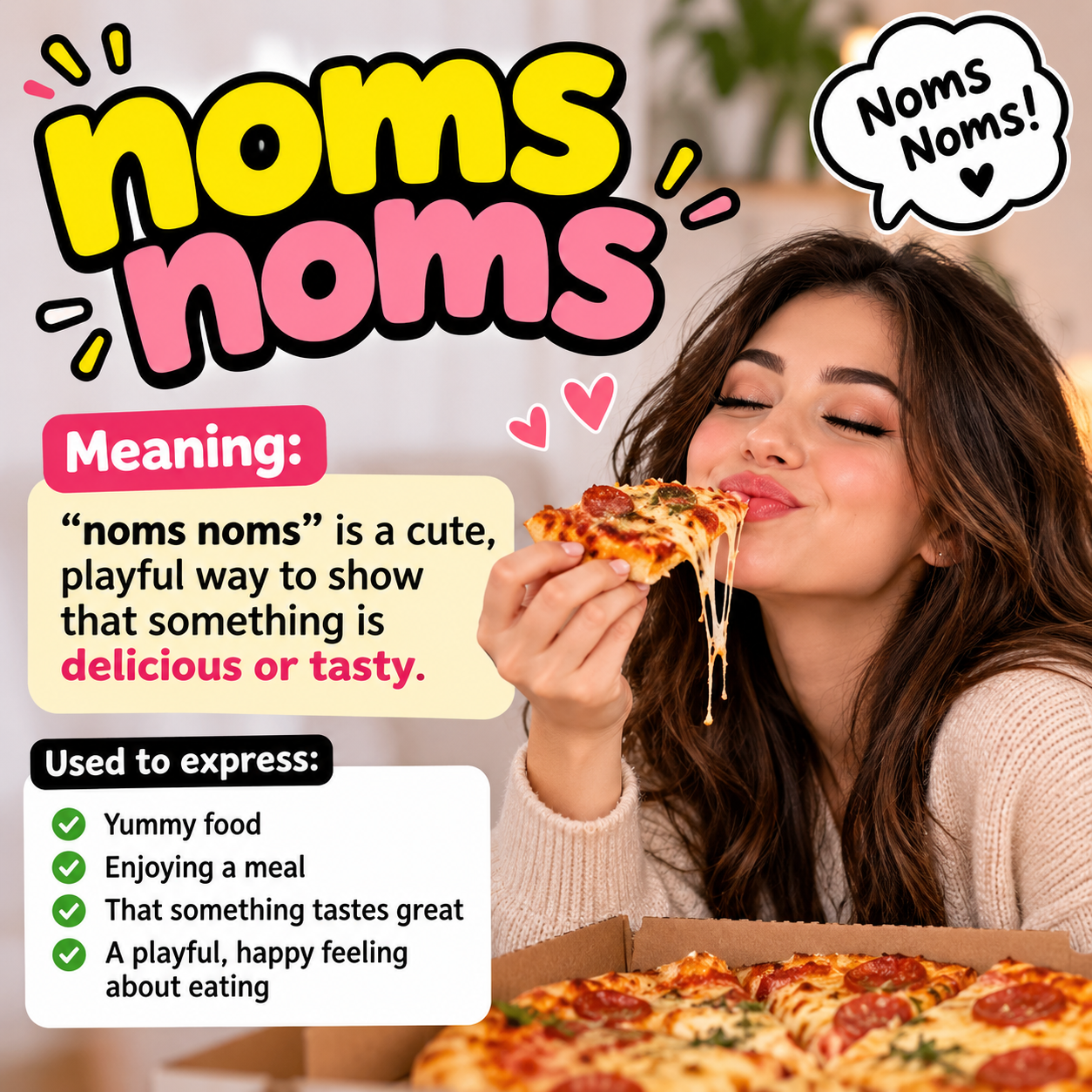
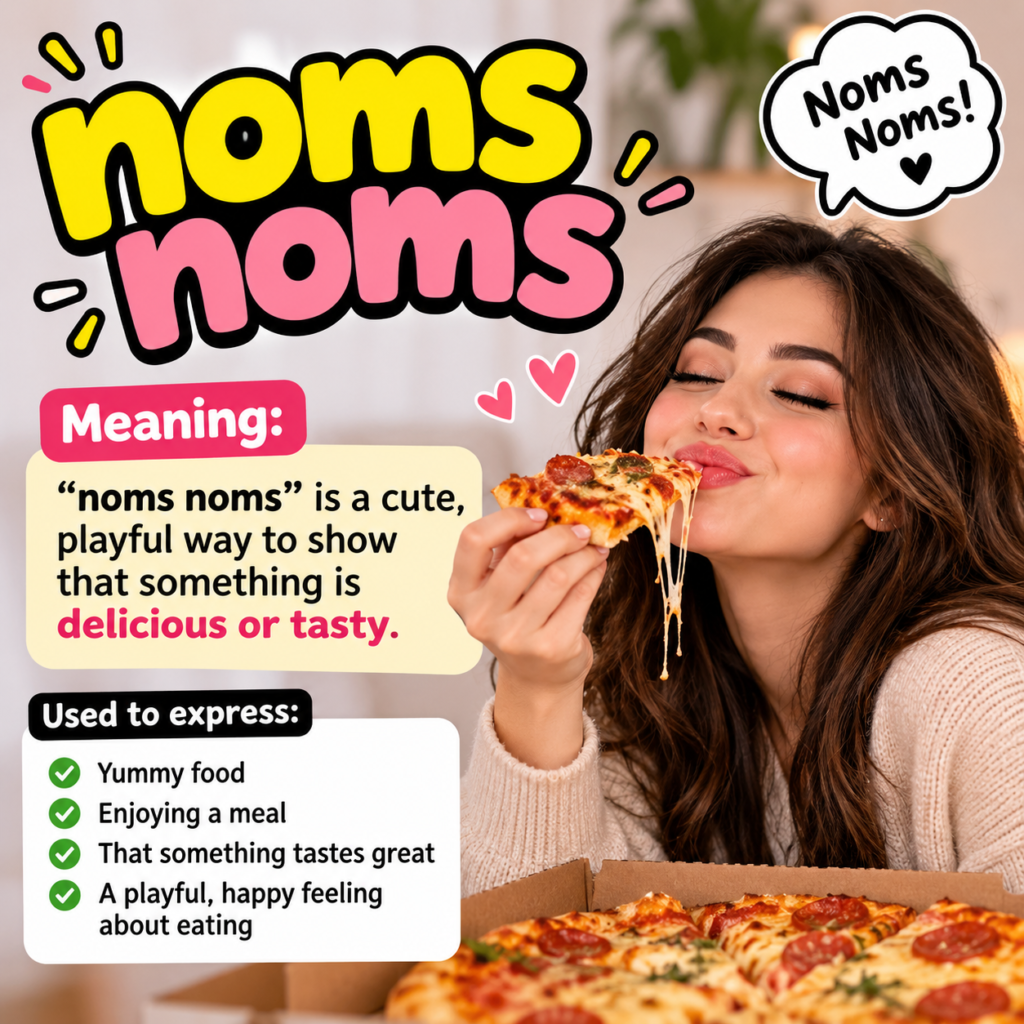
“Noms noms” (or “om nom nom”) is an internet slang term and sensory sound symbolic phrase that expresses intense enjoyment of food or deliciousness. In modern brand architecture, adopting a delicious, food-inspired name signals warmth, approachability, and irresistible consumer appeal.
Most generic name lists fail because they hand you random words without strategy. A great name isn’t just a cool label; choosing delicious brand names requires understanding phonetic resonance, consumer psychology, and brand longevity before committing your entire identity to a domain.
Let’s break down how to leverage sensory linguistics to build an unforgettable brand.
The Naming Library: Delicious & Sensory Brand Ideas
Here is a curated collection of sensory, food-inspired, and playful name concepts designed for high brand recall across e-commerce, consumer packaged goods (CPG), and digital platforms.
1. Playful & Sensorial Names
- Nomistry | Sensory, experimental, modern | Best for direct-to-consumer (DTC) food tech, artisanal snack brands, or subscription boxes.
- Cravingly | Indulgent, direct, warm | Best for dessert bars, bakery chains, or food delivery apps.
- Yumology | Scientific yet playful | Best for functional foods, pet nutrition, or clean-label snacks.
- BiteCraft | Artisanal, deliberate, quality-focused | Best for craft butcher shops, gourmet chocolates, or kitchen gadgets.
- Savora | Aesthetic, elegant, lingering | Best for luxury dining, premium spice lines, or specialty coffee roasters.
2. Minimalist & Modern Names
- Nomi | Sleek, short, friendly | Best for lifestyle apps, quick-service dining, or modern pet brands.
- Munch | Direct, punchy, casual | Best for casual dining apps, snack bars, or urban food trucks.
- Bite | Sharp, memorable, high-impact | Best for oral care, snack subscription services, or media platforms.
- Palate | Refined, culinary, elevated | Best for wine delivery services, high-end catering, or restaurant reservation platforms.
- Crumb | Charming, tactile, cozy | Best for boutique bakeries, artisanal cafes, or breakfast products.
3. Aesthetic & Lifestyle Names
- Velvet Bite | Luxurious, smooth, indulgent | Best for gourmet chocolate, high-end patisseries, or lounge bars.
- Sweet Canopy | Comforting, organic, expansive | Best for organic ice cream shops, tea rooms, or bakery cafes.
- Crisp & Clove | Fresh, aromatic, culinary | Best for farm-to-table restaurants, meal prep kits, or kitchenware.
- Golden Glaze | Warm, appetizing, premium | Best for donut boutiques, breakfast brands, or luxury desserts.
- Savor Society | Community-driven, exclusive | Best for supper clubs, food criticism networks, or culinary memberships.
The Linguistic Psychology Behind Sensory Brand Names
Here’s where most founders get it wrong: they pick names based on personal preference rather than phonetic psychology.
The noms noms meaning relies heavily on onomatopoeia and sound symbolism. When humans hear repetitive, soft consonant sounds like /m/ and /n/ paired with open vowels, the brain triggers visceral, comforting neurological responses.
[Phonetic Sound: /m/ & /n/] ➔ [Neurological Signal: Satisfaction & Safety] ➔ [Brand Perception: Accessible & Comforting]
When building delicious brand names, three linguistic drivers dictate performance:
- Onomatopoeic Recall: Words mimicking real-world auditory or sensory experiences are processed up to 30% faster by the human brain than abstract terms.
- The Bouba/Kiki Effect: Soft, rounded sounds (“Nom”, “Savor”, “Plum”) feel naturally warm and comforting, whereas sharp sounds (“Kip”, “Trek”, “Zing”) feel precise and energetic. Food brands thrive on rounded phonetics.
- Repetition Mechanics: Reduplicative names (like Noms Noms, Cinnabon, or KitKat) build rhythmic memory hooks, making them exceptionally easy for consumers to recall and share.
Strategic Comparison & Meaning Matrix
| Name Candidate | Core Vibe & Sensory Meaning | Ideal Industry / Brand Fit | Target Audience Focus |
| Nomistry | Playful chemistry, culinary precision | Food tech, molecular gastronomy, snack DTC | Gen Z & Millennial foodies |
| Savora | Elegant lingering taste, sensory luxury | Fine dining, specialty coffee, luxury spices | Premium consumer / High-income |
| BiteCraft | Handcrafted quality, deliberate preparation | Artisanal goods, kitchenware, gourmet meats | Craft enthusiasts, conscious shoppers |
| Yumology | Scientific validation meets delicious flavor | Functional nutrition, pet health, wellness snacks | Health-conscious parents & pet owners |
| Nomi | Compact, approachable, modern simplicity | Mobile apps, fast-casual dining, pet care | Digital natives, urban professionals |
Common Pitfalls When Selecting Food & Sensory Names
No jargon, just facts. Avoid these critical traps during your naming process:
- Pronunciation Friction: If a customer struggles to pronounce your name after reading it once, word-of-mouth marketing drops instantly.
- The Category Box: Naming your brand The Cupcake Club works until you expand into savory pastries, coffee, or catering. Keep room for product horizontal expansion.
- Trademark Bottlenecks: Highly descriptive or common words face massive registration hurdles. Always verify class availability with legal professionals early.
- Domain Exhaustion: Demanding an exact-match
.comwithout flexibility can bleed your startup budget before launch. Strategic prefixes or alternative TLDs often yield better capital efficiency.
Strategic Selection Framework: Testing Your Name
Before committing to a name, run it through this simple 4-step validation framework:
- The Radio Test: Say the name aloud in a sentence: “Did you buy this from [Brand Name]?” If you have to spell it out, friction exists.
- The Visual Billboard Test: Type the name in lowercase, title case, and uppercase. Check for awkward letter pairings (e.g., lowercase
lnext to uppercaseI). - The Search Engine Cleanliness Test: Search the term on Google. Ensure you aren’t competing against dominant global entities or negative associations.
- The Audience Vibe Audit: Ask 10 target customers what product or service they expect based purely on the name alone.
Frequently Asked Questions
What does “noms noms” mean in digital culture?
The phrase originated in internet culture as an onomatopoeia mimicking enthusiastic eating sounds. Today, it represents high-appetite appeal, indulgence, and lighthearted sensory delight across social media and branding.
Why use food-inspired or delicious brand names for non-food companies?
Sensory and food-inspired names evoke warmth, comfort, and satisfaction. Tech apps, pet brands, and lifestyle products frequently use these names to feel more human, friendly, and approachable compared to cold corporate alternatives.
How do I check if a sensory name is trademarked?
Search official trademark databases such as the USPTO (United States Patent and Trademark Office) or EUIPO (European Union Intellectual Property Office). Filter specifically within your international class of goods and services to check for conflicts.
